A Bird in the Hand
I created a Twitter account in 2009, and while everyone was obsessing over Facebook, I was into this little microblogging platform. When I was asked to join the company in 2010 to help figure out monetization and help get more brands on the platform, I jumped at the chance.
Twitter back then was a far cry from what it would become (and I take no responsibility for what is now called X). It was pretty basic — funny quips and updates, but text only — to see a picture someone uploaded, you had to click out to third-party sites (remember Twitpic?).
But as more news and major events broke on the platform, more people joined. Media companies started to integrate tweets into everything from newscasts to scripted TV. Suddenly, the little bird was a big dog — and there was money to be made.
After a wobbly start, we scaled to $1 billion in ad revenue in under four years, followed by a successful IPO. But an inherent clunkiness in the core product eventually slowed, then stalled, then reversed user growth — the rocketship came back down to earth.
In the Beginning…
Every brand wanted to be "first" to advertise with us, pitching ideas like homepage takeovers (we didn't offer that) or a redesigned logo with the bird holding their product (oy vey).
Instead, we leaned into what Twitter was becoming known for: the place to follow live events.
I built the first custom program to pitch advertisers — New York Fashion Week on Twitter — and American Express became our first-ever sponsor.
However, we sold a big idea without much of a content plan. But after a few phone calls, we were given access to exclusive runway shows, so I armed a few willing colleagues with Blackberries (yes, Blackberries) and sent them to Manhattan to capture the fashion as it was coming down the catwalk.
The results? Well, it definitely was a first. But it was comically low fidelity. The photo quality on a 2010 smartphone was grainy and blurry, but what we pulled off was new and exciting because it was real-time content straight from the source. We now had a unique brand advantage because the world's events were unfolding in only one place: Twitter.
On the heels of that ragtag experiment, I launched a new team — Brand Strategy (later called Twitter Next) — to serve the incredible demand coming in from brands that wanted to tap into culture in real-time.
The team grew from one person (yours truly) into a large, global org of brand strategists, designers, and producers who made Twitter the most coveted marketing platform in the world — so much so that we set up “war rooms” inside brands' content teams to help them try and “win” a live event.
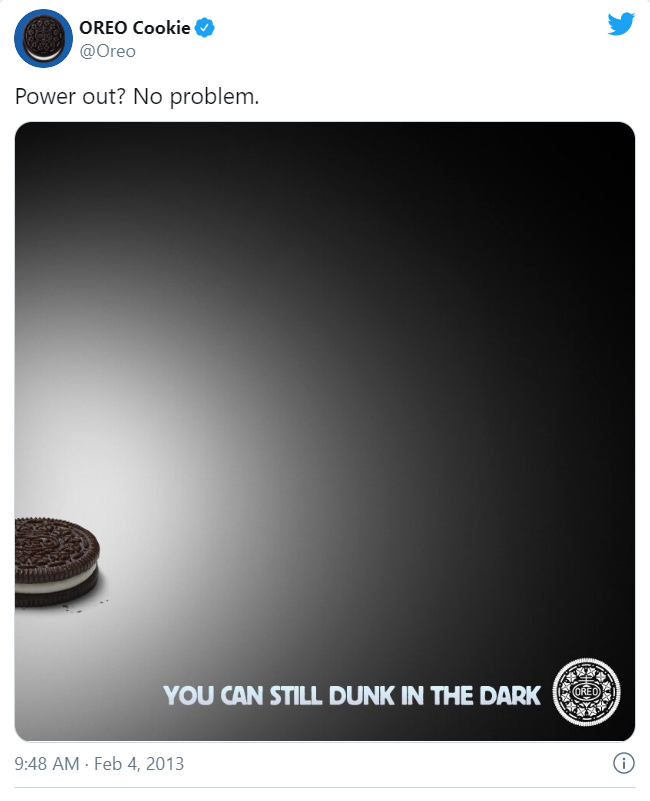
Of the myriad things we produced, none stood out more than our work with Oreo, which arguably won the Super Bowl XLVII brand conversation with a dirt-cheap tweet during the game's 34-minute blackout, earning over 500 million media impressions (5x the number of people who'd watched the game!) and dominating headlines for days — much to the chagrin of sponsors who'd spent millions on their TV ads.

Going Global
Twitter's international growth was almost outpacing the U.S., so on top of running Brand Strategy out of San Francisco, I racked up serious frequent flier miles launching new markets, including Brazil, India, and Singapore — before relocating to Dublin in 2013 to join the EMEA leadership team, officially becoming an expat.
While based in Europe, I ran award-winning Brand Strategy and Business Marketing teams for the region, but first, we needed country offices and teams. I helped open six offices across Belgium, France, Germany, Italy, Spain, and the Netherlands, while also scaling Twitter into Eastern Europe and South Africa through reseller partnerships.
I became the "face" of Twitter, delivering over 100 keynotes to CMOs, agency heads, media execs, and government officials at conferences like Le Web and DMEXCO — even giving a speech in a movie theater in a mall in Romania and pitching “why Twitter” to Ulf from Ace of Base on a cold day in Stockholm (I think he saw the sign).
The challenge was that most perceived us as a smaller Facebook, so I spent every speech and meeting making the case that we weren't smaller — we were the global town square.

Moment(s) in Time
After my international tour, I returned stateside to tackle a bigger problem: negative user growth.
The slide from slow growth to flat to being in the red unfolded over the course of a year, and our stock price took a beating. All other social platforms were growing, so we needed to find out what was happening. The research was clear: Users found Twitter complicated and cumbersome.
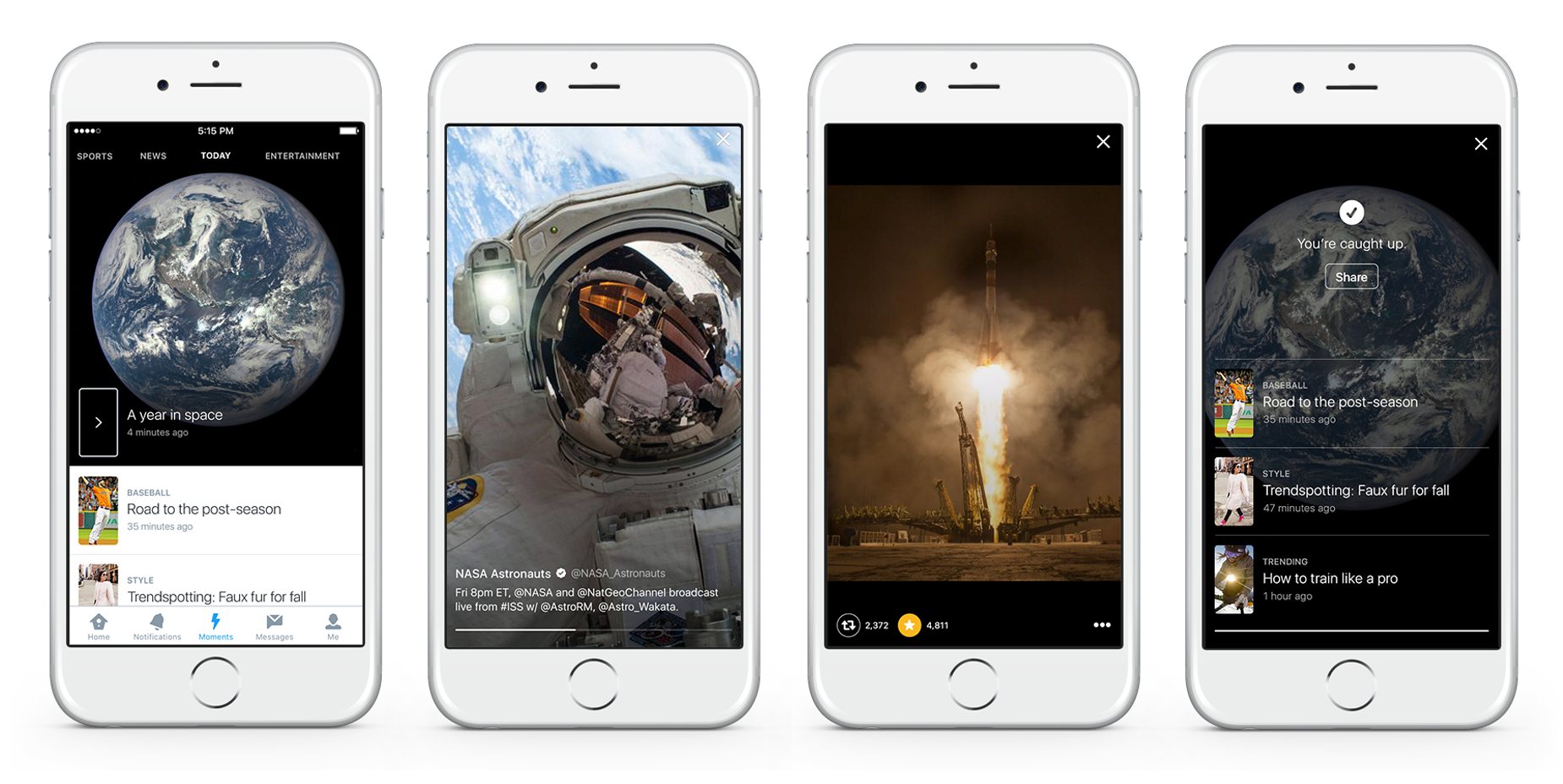
To make it a more seamless and intuitive experience, we created Moments, the first editorial product feature designed to make Twitter's firehose feel more like a garden hose. Instead of asking users to follow a ton of accounts associated with an event — and, in turn, drown out all other content from their timelines — we built a more elegant solution.
The Moments tab featured a collection of important, well, moments, from sporting events to breaking news. The algorithm surfaced what was trending, then my team of curators put together the fullest picture of what was happening.
To launch it, we created the company's first-ever TV campaign in only four weeks, starting with the MLB and the World Series, to help lure baseball fans to Twitter.
It took time, but Moments — coupled with a renewed focus on live events with new products like Amplify and the acquisition of Periscope — helped stop the bleeding and put us back on a growth trajectory.