Going Viral
With over 2.58 billion active users on YouTube, it's hard to imagine the platform had to convince the world that video was going to be the next big thing.
In 2007, when I had my first interview, TV was still king, and online video — while growing in popularity — was still clunky. But YouTube — still a very nascent company, only two and a half years old — was on a fast path to change the media landscape forever.
After a grueling seven-month interview process, I was hired to join the company, now nestled under Google. The search giant acquired the upstart video platform in the fall of 2006, and after a year or so of settling in, it was time to start earning a payback on the (then jaw-dropping) $1.6 billion price tag.
Video Willed the Webcam Star
YouTube became famous for giving the everyday person their 15 minutes of fame. All you needed was a webcam or a digital camera, and, if it was a hit, you could earn a then-staggering million views on your content. Quaint now, isn’t it?
In 2007, YouTube launched the Partner Program to help the biggest “stars” monetize, but it was fairly niche — and not particularly popular with brands. (Remember, this is years before the modern definition of “influencer” was in the zeitgeist.)
Advertisers wanted premium content makers — basically, the stars that were on TV. But there was a challenge: those celebrities weren’t all that interested in YouTube, and while Hollywood producers loved meeting with us, they usually just offered cutting-room floor concepts that would never make it on-air.
But then there was Seth MacFarlane.
He was intrigued by the platform and wanted to do a deal. He developed an iconic digital short series that we sold to Burger King, who got a custom-branded introduction. It was a hit, even though the economics didn’t scale.
Nevertheless, demand for this kind of premium and custom content was off the charts. But the rest of our inventory was those rejected TV pilots. Advertisers wanted Seth. Instead, all we had to offer was In the Kitchen with Courtney Thorne-Smith. Snooze.
So we had to pivot.
The Partner Program was refurbished, and we repositioned our pitch. We knew we couldn’t win the battle for premium (ie TV-quality) content, but we could be the undisputed leader in what was popular.
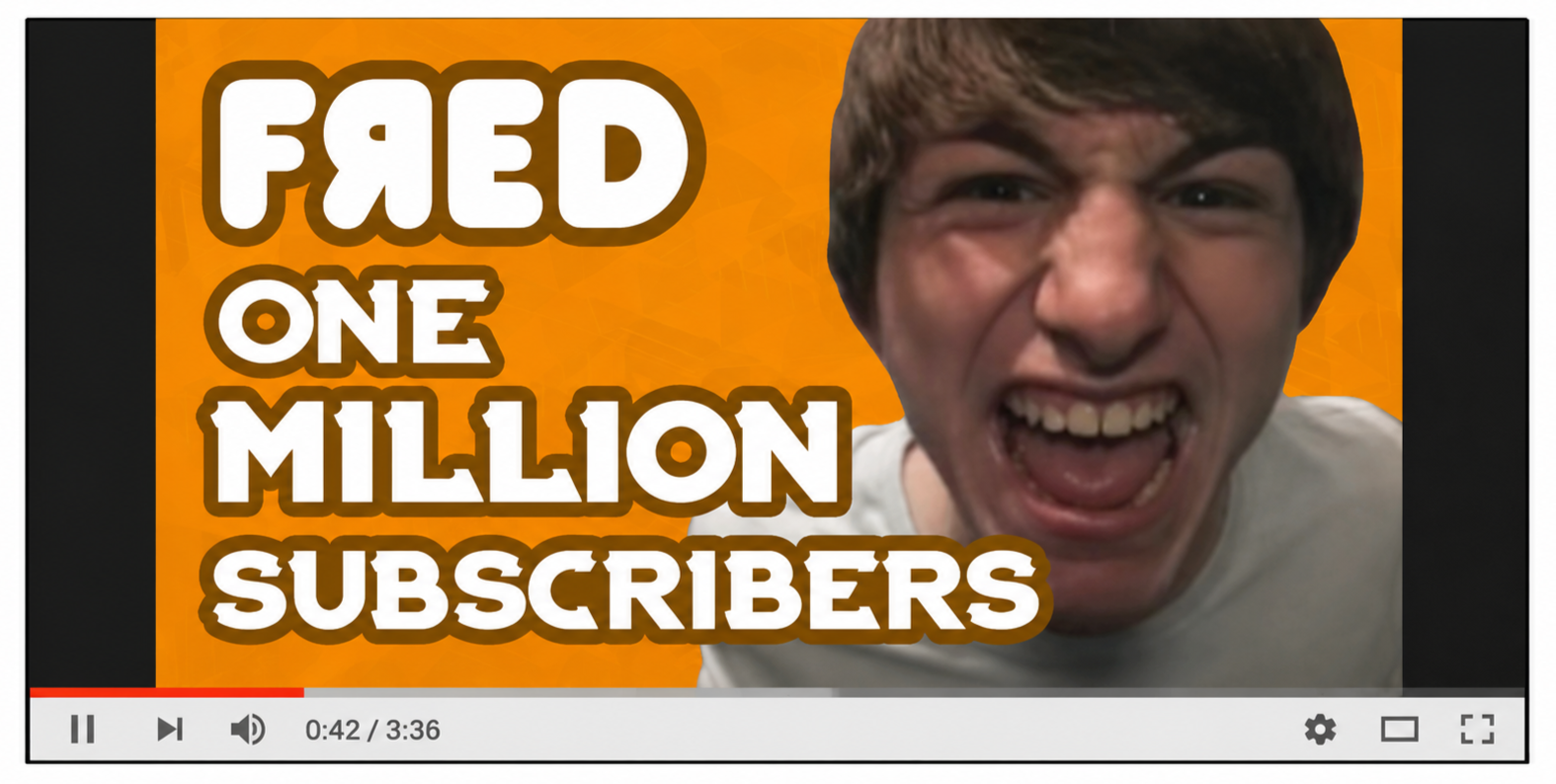
And the data was clear — teens and young adults were ditching traditional TV for these next-gen stars, like Michelle Phan (considered the pioneer beauty infleuncer), Ryan Higa’s nigahiga (comedy and music skits that earned the account the most subscribed of the late aughts). , and Lucas Cruikshank’s Fred Figglehorn (a teen playing a 6-year-old with a helium-pitched, frenetic voice — and the first account to hit 1 million subscribers).
Marketers resisted at first, then piled on, and the influencer-hocking-brands revolution began. (My sincerest apologies.)